CNA vs. HHA: Which Healthcare Career Path Fits You (and Why Some Students Choose Both)
Choosing a career in healthcare is a big decision, especially if you’re looking for a role that allows you to start working relatively quickly while still offering long-term growth. For many students across Riverside, San Bernardino, and Victorville, two of the most common entry points into patient care are becoming a Certified Nursing Assistant (CNA) or a Home Health Aide (HHA).
At first glance, these roles can seem very similar. Both focus on hands-on patient care, both are in high demand throughout California, and both provide meaningful work helping others maintain their health and quality of life. However, CNAs and HHAs differ in important ways, including where they work, how they are trained, how their schedules look, and how each role can shape your future career.
This guide breaks down the real differences between CNA and HHA careers in California, explains who each path is best suited for, and explores why many students ultimately choose to earn both credentials.
Understanding the Role of a Certified Nursing Assistant (CNA)
Certified Nursing Assistants play a critical role in healthcare facilities by supporting nurses and providing essential care to patients. In California, CNAs work under the supervision of Registered Nurses (RNs) or Licensed Vocational Nurses (LVNs) and are considered part of the clinical care team.
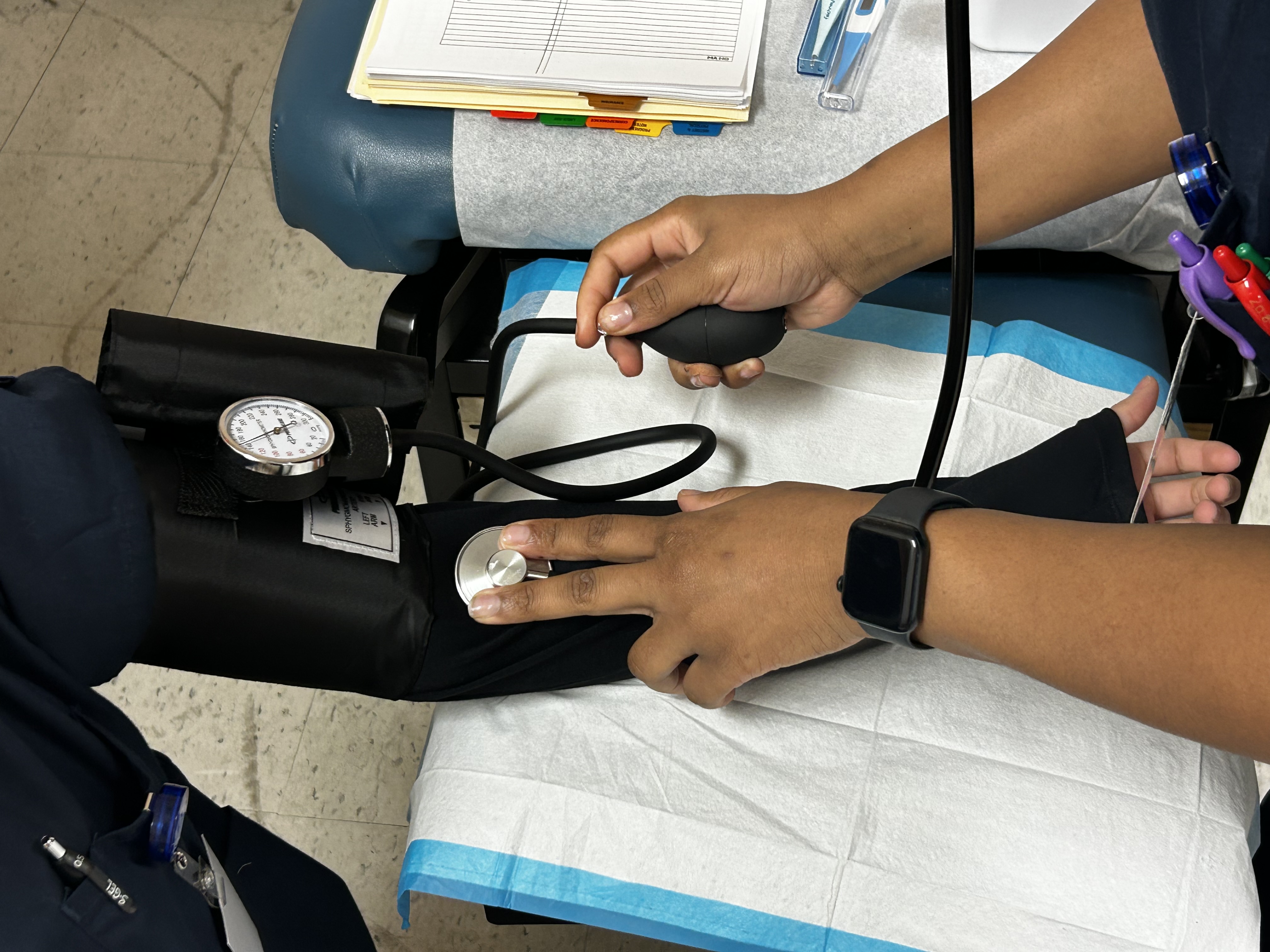
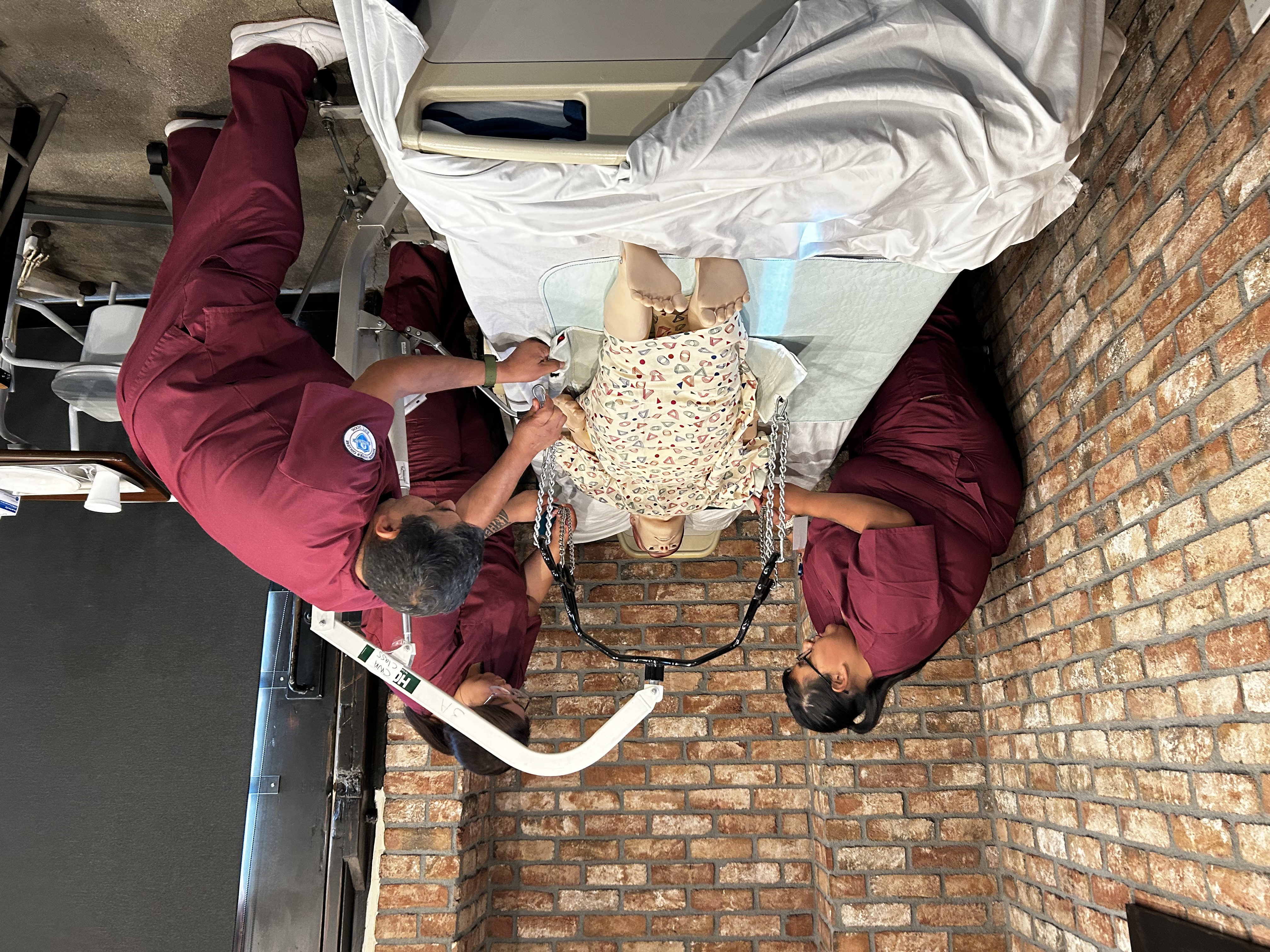
On a day-to-day basis, CNAs assist patients with activities of daily living such as bathing, dressing, grooming, toileting, and eating. They are often responsible for helping patients move safely, whether that means transferring from a bed to a wheelchair, repositioning to prevent pressure injuries, or assisting with walking. CNAs also take and record vital signs like blood pressure, temperature, pulse, and respiration, and they report changes in a patient’s condition to nursing staff.
Because CNAs work in structured healthcare environments, their days can be fast-paced and physically demanding. A single CNA may care for multiple patients during a shift, responding to call lights, coordinating with nurses, and ensuring patients are comfortable and safe. While the work can be challenging, many CNAs value the teamwork, clinical exposure, and hands-on medical experience the role provides.
Understanding the Role of a Home Health Aide (HHA)
Home Health Aides focus on providing care in a client’s home rather than in a medical facility. In California, HHAs typically work for licensed home health agencies, hospice providers, or sometimes directly with families. Their primary goal is to help clients remain safe, comfortable, and independent in their own homes.
HHAs assist with personal care tasks similar to those performed by CNAs, including bathing, grooming, dressing, and mobility assistance. However, their role extends more deeply into daily living support. HHAs often help with meal preparation, light housekeeping, grocery shopping, and companionship. Because they usually work with one client at a time, HHAs often build strong, long-term relationships with the people they care for.
Unlike CNAs, HHAs do not typically work in highly clinical environments. They do not administer medications or perform medical procedures. Instead, they monitor the client’s condition, report concerns to a supervising nurse or agency, and focus on maintaining quality of life. Many people are drawn to HHA work because it offers one-on-one care, a calmer pace, and greater independence during the workday.
Work Environments: Facility-Based vs. Home-Based Care
One of the biggest differences between CNA and HHA careers is the setting in which the work takes place. CNAs are most commonly employed in hospitals, skilled nursing facilities, rehabilitation centers, assisted living facilities, and long-term care homes. These environments are structured, regulated, and staffed by multidisciplinary healthcare teams.
Working as a CNA means following facility schedules, protocols, and shift assignments. Shifts may include nights, weekends, or holidays, particularly in hospitals and nursing homes. While this structure provides stability and consistent hours, it can also mean less flexibility in daily scheduling.
HHAs, by contrast, work primarily in private homes or community-based settings. Their schedules may be more flexible, depending on client needs and agency policies. Some HHAs work part-time with several clients, while others provide longer daily shifts for a single individual. This flexibility can be appealing to students, parents, or individuals balancing work with other responsibilities.
Training and Certification Requirements in California
California maintains strict standards for both CNA and HHA training to ensure patient safety and quality of care. These requirements are overseen by the California Department of Public Health.
To become a CNA in California, students must complete a state-approved Nurse Assistant Training Program consisting of at least 160 total hours. This includes classroom instruction and supervised clinical training. Most CNA programs can be completed in a matter of weeks or a few months, depending on whether the schedule is full-time or part-time. After completing training, students must pass a state competency exam that includes both a written component and a skills demonstration.
Home Health Aide certification requirements depend on whether the student is already a CNA. For individuals who already hold an active CNA certification, becoming an HHA requires completion of an additional 40-hour state-approved HHA training program. This makes HHA one of the most efficient credentials to add once CNA training is complete.
For individuals who are not CNAs, California allows a longer HHA training pathway that includes up to 120 hours of instruction. Many vocational schools streamline this process by offering combined CNA and HHA programs, allowing students to earn both credentials in a short timeframe.
Pay and Job Outlook in California’s Inland Empire
Both CNAs and HHAs are in demand across California, but job growth trends and wages vary slightly between the two roles.
Certified Nursing Assistants in California earn higher-than-average wages compared to many other states. In the Inland Empire region, CNAs commonly earn around $19 per hour, with higher wages available in hospitals, unionized facilities, and specialty care settings. With experience, overtime, and shift differentials, many CNAs increase their earning potential over time.
Home Health Aides typically earn slightly less on average, though wages can vary widely depending on employer, client needs, and location. In Riverside and surrounding areas, HHA wages often start in the mid-to-high teens per hour, with some agencies offering higher pay for experienced aides or specialized care assignments.
From a job outlook perspective, HHA roles are growing at a much faster rate than CNA positions nationwide. As California’s population ages and more seniors choose to receive care at home, demand for home health services continues to rise. CNAs, while growing more slowly, remain consistently in demand due to ongoing staffing needs and turnover in healthcare facilities.
Career Growth and Long-Term Opportunities
For many students, CNA and HHA roles are stepping stones rather than final destinations. CNA experience is particularly valuable for students planning to advance into nursing careers such as LVN or RN programs. The clinical exposure, patient interaction, and familiarity with healthcare systems gained as a CNA provide a strong foundation for future education.
HHAs also have advancement opportunities, especially when paired with CNA certification. Many HHAs transition into CNA roles to expand their scope of practice and earning potential. Others continue working in home health while pursuing additional healthcare credentials or certifications.
Importantly, earning both CNA and HHA certifications provides flexibility that can be especially valuable in California’s healthcare job market. Dual-certified professionals can work in both facility-based and home-based settings, adjust their schedules more easily, and remain employed even as job availability shifts between sectors.
Why Some Students Choose Both CNA and HHA
Choosing between CNA and HHA does not have to be an either-or decision. In fact, many students find that earning both credentials gives them the best of both worlds. With CNA certification as a foundation, adding HHA training requires relatively little additional time while significantly expanding job options.
Students who hold both credentials can pursue hospital or nursing facility work while also taking on home health clients. This flexibility allows them to tailor their schedules, explore different care environments, and build a broader range of skills. Employers often view dual certification as a sign of commitment and versatility, which can improve job prospects and long-term stability.
Making the Right Choice for You
Deciding between CNA and HHA depends on your personal goals, work style, and lifestyle needs. If you enjoy fast-paced environments, teamwork, and clinical care, CNA training may be the right starting point. If you prefer one-on-one care, greater independence, and home-based work, HHA training may align better with your goals.
For many students at Mission Career College, the most effective approach is to start with CNA training and then add HHA certification. This pathway maximizes flexibility, increases employability, and keeps future career options open.
Healthcare careers are built step by step, and there is no single right path. What matters most is choosing a program that prepares you thoroughly, aligns with California requirements, and supports your long-term success.
If you are considering a future in healthcare and want to explore CNA, HHA, or combined training options, Mission Career College offers programs designed to help students in Riverside, San Bernardino, and Victorville take that next step with confidence.