Medical Assistant Classes Designed for Today’s Healthcare Environment
Healthcare is one of the fastest-growing industries in the United States, and Medical Assistants play a vital role in keeping clinics, physician offices, and healthcare facilities running efficiently. If you are looking for a career that combines patient interaction, clinical skills, and administrative expertise, enrolling in Medical Assistant classes can be your first step toward a stable and rewarding profession.
Whether you are exploring a Medical Assistant training program for the first time or researching Medical Assistant programs online to balance school with your current responsibilities, understanding how training works—and why it matters—can help you make an informed decision about your future.
What Does a Medical Assistant Do?
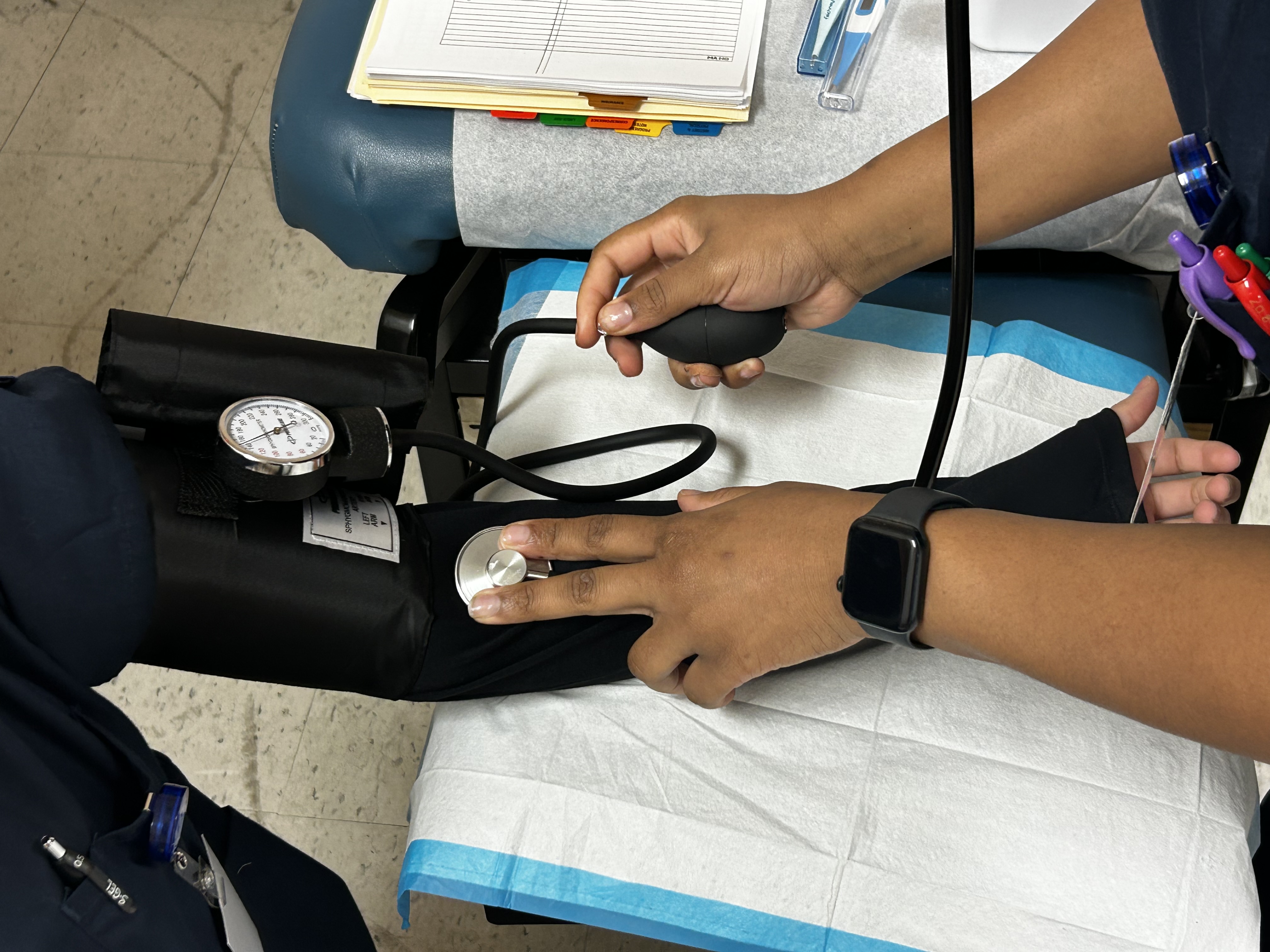
Medical Assistants are multi-skilled healthcare professionals trained to support physicians, nurses, and patients in both clinical and administrative settings. Their responsibilities often include taking vital signs, preparing patients for exams, assisting with minor procedures, scheduling appointments, managing medical records, and performing basic laboratory tasks.
This hybrid role is what makes the profession so appealing. Unlike many entry-level healthcare jobs that focus on only one function, Medical Assistants gain a broad skillset that allows them to work directly with patients while also understanding the operational side of healthcare delivery.
Because of this versatility, graduates of a Medical Assistant training program are prepared to work in environments such as primary care offices, specialty clinics, urgent care centers, outpatient facilities, and other medical settings.
Why Medical Assistant Classes Are in High Demand
The demand for trained Medical Assistants continues to grow as healthcare systems expand to meet the needs of aging populations and increased access to medical services. Physicians rely on trained support staff to maintain efficiency, reduce patient wait times, and ensure quality care.
Medical Assistant classes are designed to prepare students quickly for workforce entry while maintaining the competency standards required in healthcare environments. This balance between speed and skill development is one of the reasons many individuals choose this career path over longer degree programs.
Students are able to transition from classroom learning to real-world application in a relatively short timeframe, making it an ideal option for career changers, recent graduates, or individuals seeking upward mobility.
What You Learn in a Medical Assistant Training Program
A comprehensive Medical Assistant training program focuses on three core competency areas: clinical procedures, administrative operations, and professional patient care.
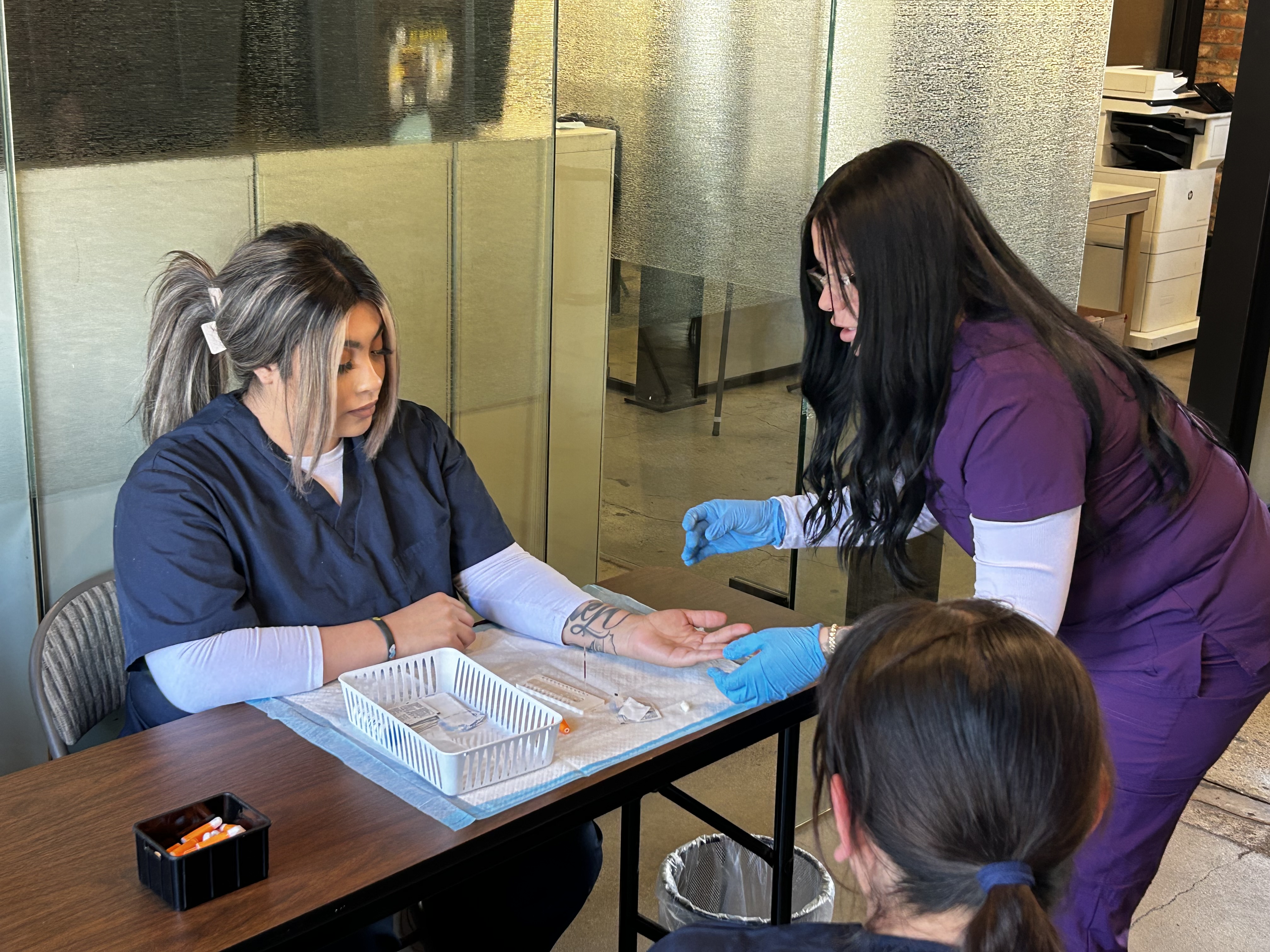
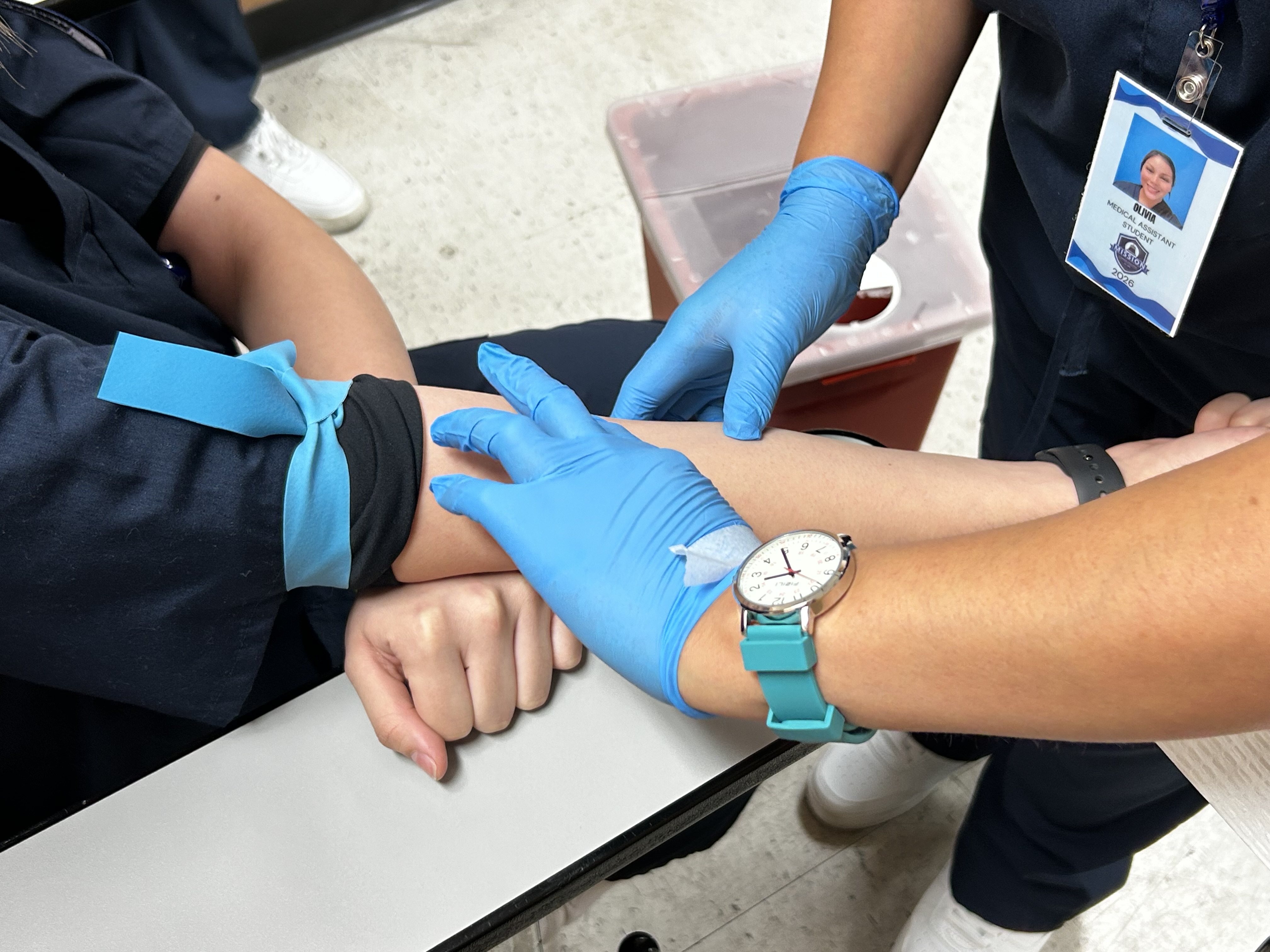
Clinical instruction includes vital signs measurement, infection control practices, phlebotomy basics, assisting with examinations, and understanding medical terminology. Administrative training teaches scheduling systems, electronic health records, insurance processes, and office workflow coordination. Professional development emphasizes communication skills, ethics, and patient interaction.
This well-rounded approach ensures graduates are not just technically trained but also prepared to function as trusted members of a healthcare team.
The Value of Hands-On Training
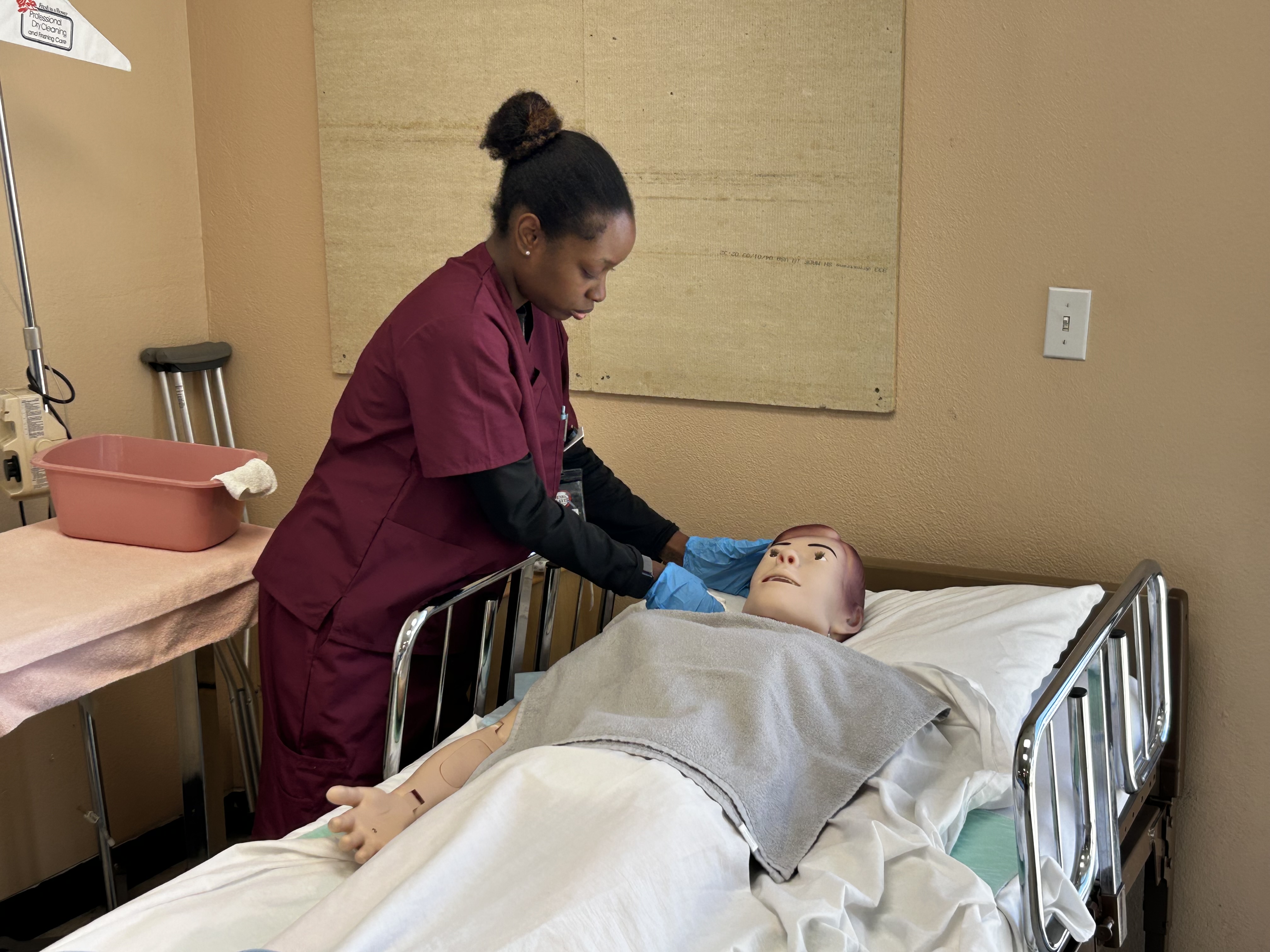
While some students initially search for Medical Assistant classes online, it is important to understand that healthcare training requires hands-on skill development. Practical learning environments allow students to practice procedures, interact with equipment, and simulate real patient care scenarios under instructor supervision.
Blended learning models may include online coursework for foundational knowledge while still incorporating in-person labs or externships. This combination allows flexibility without compromising the experiential training essential in medical education.
Hands-on experience builds confidence, reinforces safety standards, and ensures students can apply what they have learned in a real clinical setting.
Can You Take Medical Assistant Classes Online?
Many prospective students explore Medical Assistant programs online because they need scheduling flexibility. Online components can be beneficial for lecture material such as medical terminology, anatomy basics, and administrative theory.
However, healthcare careers require competency-based training. Reputable programs integrate supervised clinical practice to ensure students meet industry expectations and workplace readiness standards.
When evaluating online or hybrid options, students should look for programs that include structured lab practice, instructor engagement, and real-world application rather than purely theoretical instruction.
How Long Does It Take to Become a Medical Assistant?
One of the biggest advantages of enrolling in Medical Assistant classes is the relatively short training timeline compared to traditional healthcare degrees. Many programs can be completed in under a year, depending on schedule format and externship requirements.
This accelerated pathway allows students to transition into the workforce quickly while still gaining meaningful, career-focused education. For individuals seeking rapid entry into healthcare without sacrificing quality training, this is a significant benefit.
Career Opportunities After Completing a Medical Assistant Training Program
Graduates of Medical Assistant training programs are prepared for roles that require adaptability and teamwork. Because Medical Assistants understand both patient care and office coordination, they are highly valued by healthcare providers seeking efficiency and continuity of care.
Career paths may include clinical Medical Assistant roles, front-office coordination positions, specialty practice support, or expanded responsibilities in areas such as cardiology, pediatrics, or dermatology.
The foundational knowledge gained through Medical Assistant classes also creates opportunities for future advancement into nursing, healthcare administration, or other allied health professions.
Skills That Make Medical Assistants Successful
Successful Medical Assistants combine technical knowledge with interpersonal skills. Attention to detail is essential when recording patient information or assisting with procedures. Communication skills help create positive patient experiences and ensure accurate collaboration with medical staff.
Time management and adaptability are equally important, as healthcare environments can be fast-paced and require professionals to handle multiple responsibilities simultaneously.
Medical Assistant programs are designed not only to teach procedures but also to develop the professional behaviors expected in clinical settings.
Choosing the Right Medical Assistant Program
Selecting the right Medical Assistant training program is an important decision. Students should look for programs that emphasize structured instruction, supervised skill development, and career readiness support.
A strong program provides clear learning objectives, qualified instructors with real healthcare experience, and opportunities to practice skills before entering the workforce. Transparency about curriculum, training expectations, and outcomes helps students feel confident in their educational investment.
Because healthcare education directly impacts patient safety and professional competency, choosing a reputable institution is essential.
Who Should Consider Medical Assistant Classes?
Medical Assistant classes are ideal for individuals who want to work in healthcare but prefer a faster training pathway than traditional nursing or medical degrees. They are also well suited for those who enjoy both patient interaction and organizational responsibilities.
Career changers often find this field appealing because it offers meaningful work, stability, and opportunities to grow without requiring years of schooling. Recent graduates seeking an entry point into healthcare can also benefit from the structured, skill-focused approach of Medical Assistant training.
The Role Medical Assistants Play in Modern Healthcare
Healthcare today depends on collaboration. Physicians rely on trained support professionals to manage workflow, maintain patient communication, and ensure that care delivery remains efficient and compassionate.
Medical Assistants act as a bridge between patients and providers, helping translate clinical processes into positive patient experiences. Their role contributes directly to healthcare accessibility and quality outcomes.
This makes Medical Assistant programs not just job training, but preparation for a profession that supports community health.
Start Building Your Future in Healthcare
If you are ready to take the next step toward a career that combines stability, purpose, and professional growth, enrolling in Medical Assistant classes can open the door to meaningful opportunities.
By choosing a structured Medical Assistant training program that blends knowledge, hands-on practice, and career preparation, you can gain the skills needed to enter the healthcare field with confidence.
Whether you begin with foundational coursework, explore flexible Medical Assistant classes online, or pursue hybrid learning options, the journey starts with education designed to prepare you for real-world impact.
Healthcare needs skilled professionals. Your path can begin today.