What to Expect in Your First Week of Phlebotomy Training
Starting a new career in healthcare is a big decision, and the first week of training is often where excitement meets uncertainty. Many students entering Phlebotomy classes wonder if they will be able to keep up, understand the material, or feel comfortable performing clinical skills. The reality is that your first week is intentionally structured to introduce you to the field gradually, giving you the knowledge, confidence, and foundational skills needed to succeed.
At Mission Career College, the first week of the Phlebotomy training program is designed to help students transition into a healthcare mindset while learning the essential principles that guide safe, professional blood collection. Rather than jumping straight into procedures, students begin by understanding why phlebotomy is such a critical role within the medical system and how proper training ensures both patient safety and accurate laboratory results.
Understanding the Importance of Phlebotomy in Healthcare
Before students ever pick up a needle, they learn how phlebotomy supports nearly every aspect of modern medicine. Blood testing plays a major role in diagnosing illnesses, monitoring chronic conditions, and guiding treatment decisions. This means phlebotomists are not just technicians performing a task. They are trusted healthcare professionals responsible for collecting specimens that physicians rely on to make life-impacting decisions.
Because healthcare education directly affects patient well-being, it must prioritize accuracy, expertise, and trustworthy instruction, especially in topics that influence health and safety outcomes.
This is why your first week emphasizes responsibility, precision, and professional standards alongside technical training.
Students quickly realize they are preparing for more than a job. They are preparing to enter an environment where attention to detail truly matters.
Day One: Orientation and Setting Expectations
Your first day begins with orientation, where you are introduced to your instructors, classmates, and the structure of the program. This session outlines everything from attendance expectations and certification preparation to how classroom lessons connect with hands-on lab work.
During orientation, students review:
Program timeline and course milestones
Classroom and lab safety expectations
Professional conduct standards
Required materials and uniforms
How skills will be evaluated throughout training
This initial overview helps eliminate uncertainty and gives students a clear roadmap of what lies ahead.
For students enrolled in hybrid or Phlebotomy classes online, orientation also includes learning platforms, virtual coursework expectations, and communication tools used to stay connected with instructors.
Learning the Role of a Phlebotomist
Many students begin training with only a general idea of what phlebotomists do. During the first week, instructors provide a deeper look into the profession and its responsibilities within hospitals, diagnostic laboratories, outpatient clinics, and specialty care centers.
You will learn how phlebotomists:
Verify patient identity and ensure accurate specimen labeling
Follow strict safety and infection control protocols
Communicate clearly with patients who may feel anxious
Maintain quality standards that protect lab results
Work as part of a multidisciplinary healthcare team
Understanding these responsibilities early helps students approach training with a professional mindset rather than viewing the program as purely technical instruction.
Safety Training Comes Before Skill Training
One of the most important components of your first week is learning safety procedures. Before any hands-on practice begins, students are trained in infection prevention, exposure control, and universal precautions used throughout healthcare.
This includes instruction on:
Hand hygiene and contamination prevention
Proper use of personal protective equipment
Safe handling and disposal of sharps
Maintaining sterile environments
Preventing cross-contamination during specimen collection
These lessons form the backbone of safe clinical practice. By emphasizing safety first, the program ensures students understand how to protect both themselves and their patients before moving forward.
Becoming Familiar With Equipment and Supplies
Your first week also introduces the tools you will use daily as a phlebotomist. Students learn to recognize and handle collection equipment correctly, gaining familiarity with materials before practicing procedures.
You will be introduced to:
Collection tubes and additive functions
Needles and safety-engineered devices
Tourniquets and vein selection tools
Alcohol prep pads and gauze materials
Specimen labeling and handling processes
Rather than rushing into clinical application, instructors allow students time to understand the purpose of each tool. This builds confidence and prevents errors later in training.
Introduction to Anatomy and Circulation
Students often worry they need extensive medical knowledge to succeed in phlebotomy training. In reality, your first week focuses on practical anatomy concepts directly related to blood collection.
You will learn:
Basic circulatory system structure
Common venipuncture sites
Vein characteristics and accessibility
How anatomy influences specimen collection
Why proper site selection matters for patient safety
This targeted approach ensures students gain the knowledge they need without feeling overwhelmed by unnecessary complexity.
For students completing lecture components through Phlebotomy programs online, these lessons are delivered through guided instruction, demonstrations, and interactive materials before transitioning into in-person labs.
Beginning Hands-On Practice in a Controlled Environment
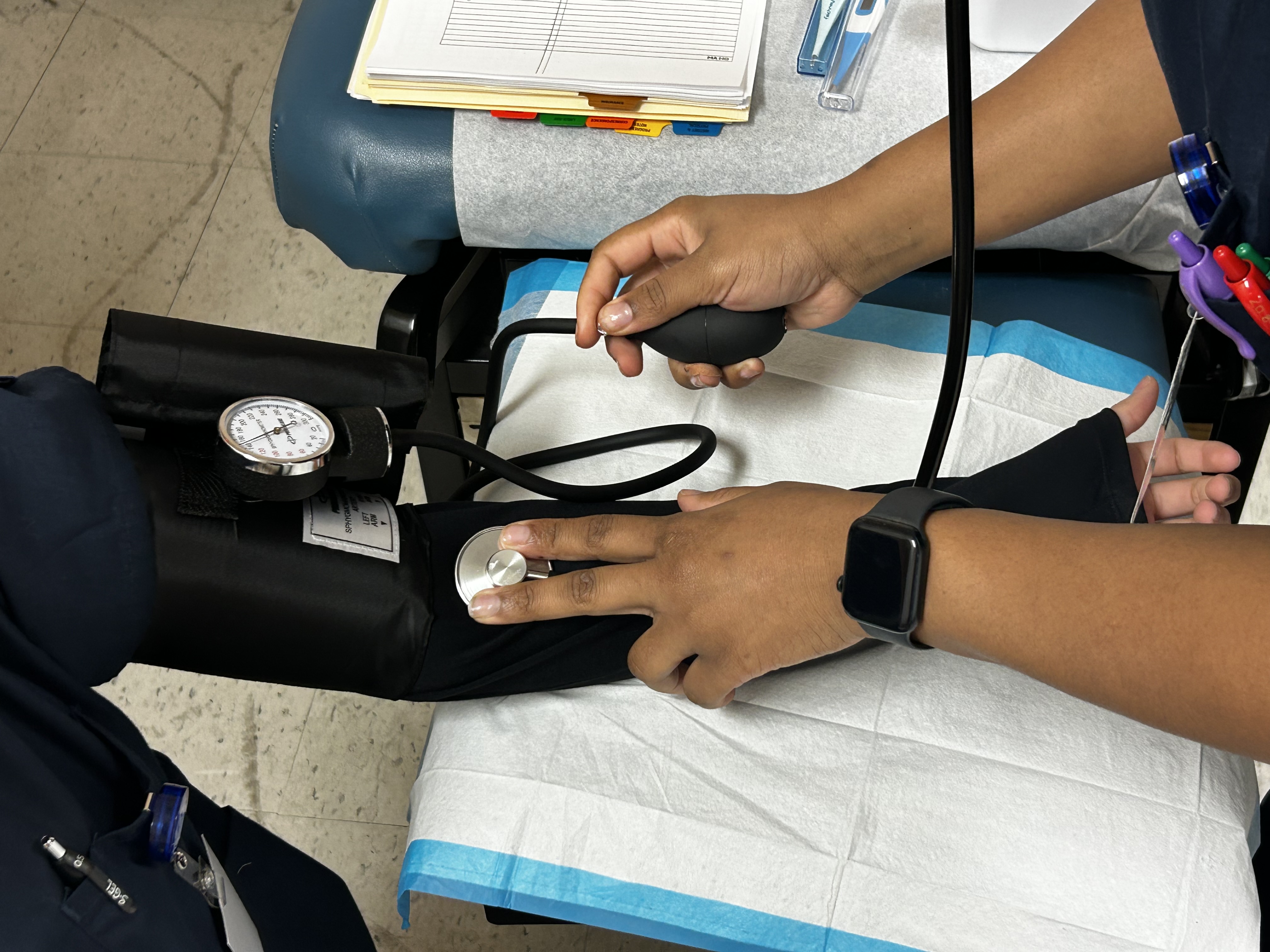
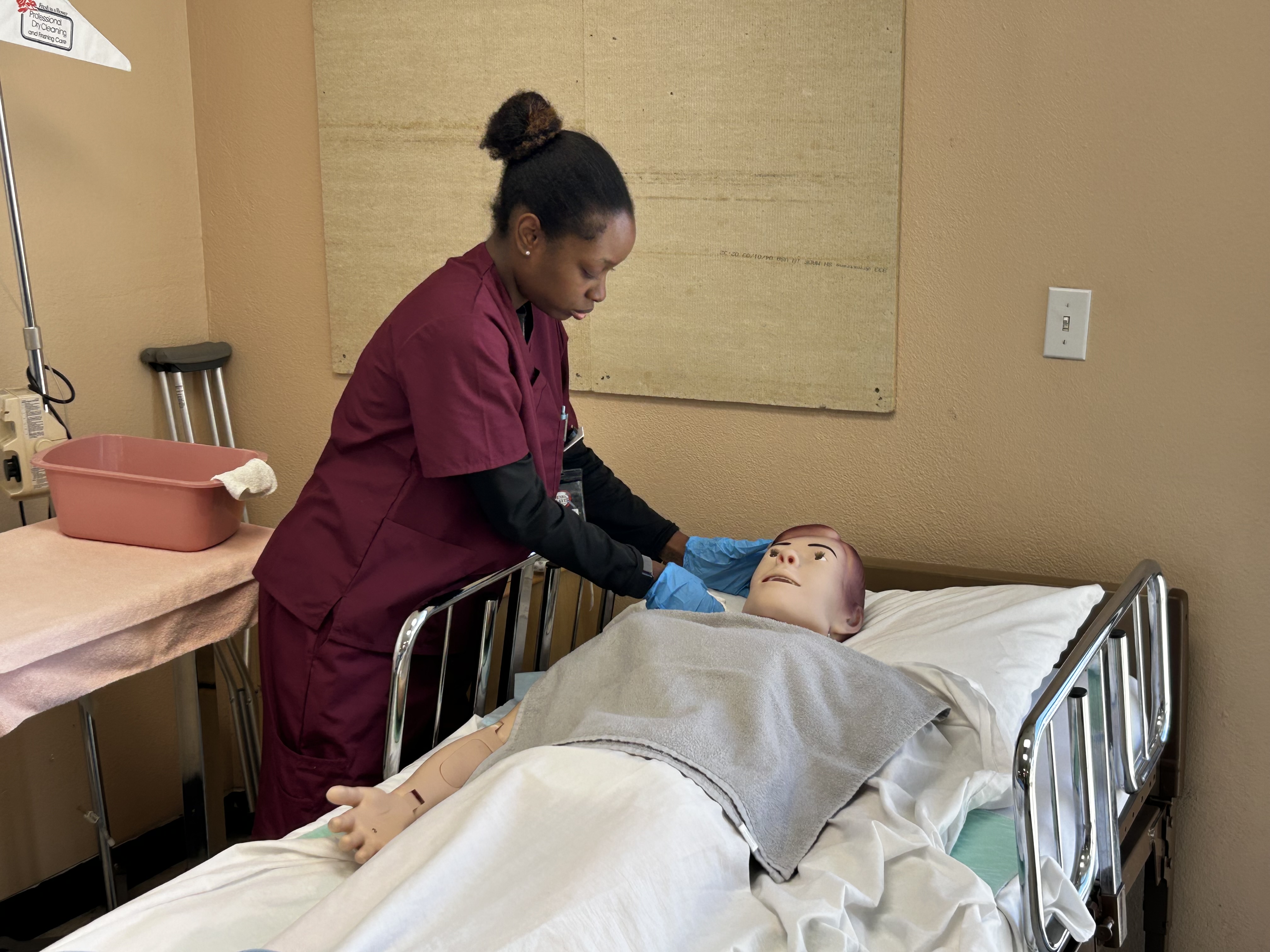
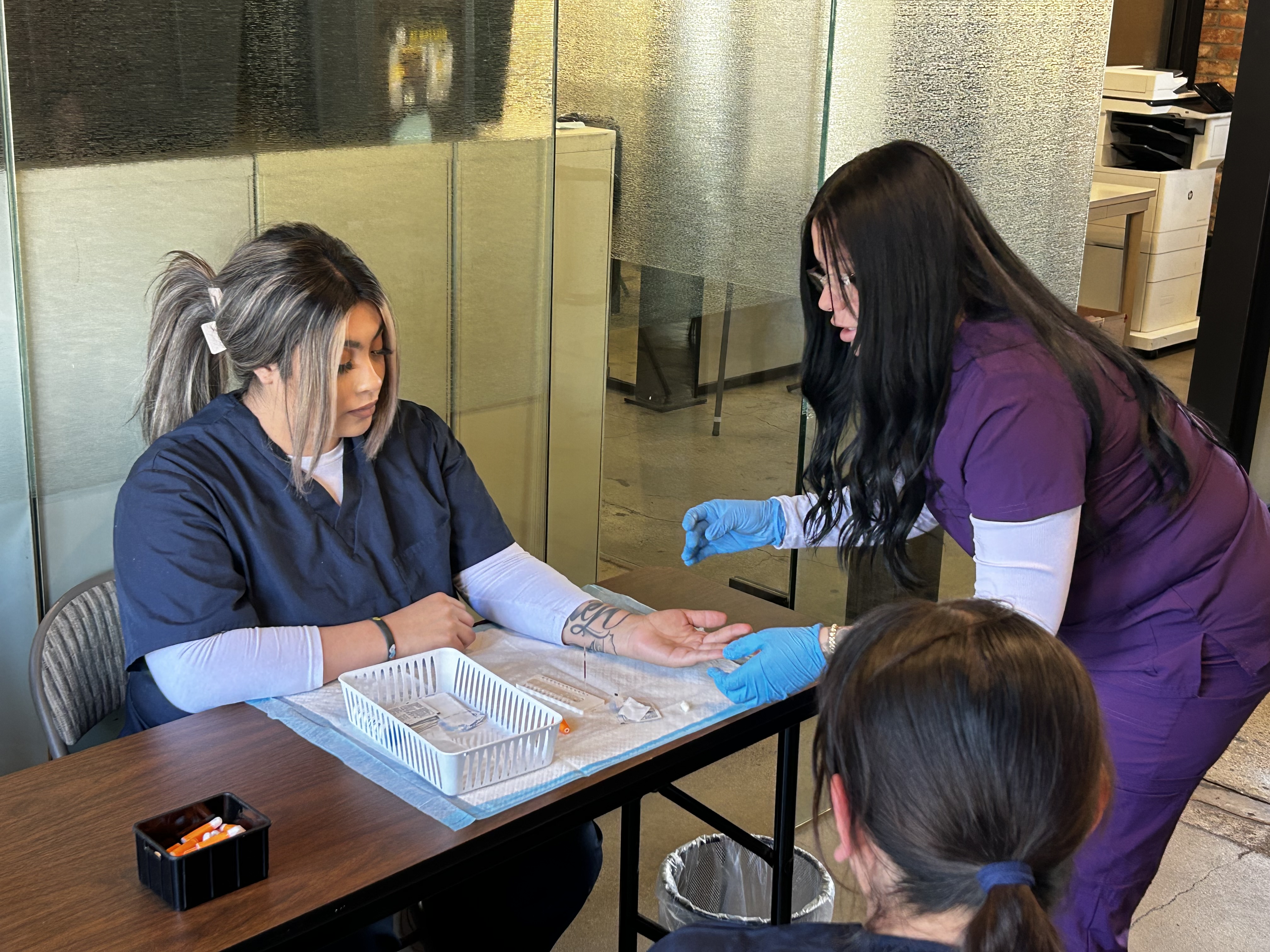
While the first week is largely foundational, most students begin simulated practice sooner than expected. Hands-on learning starts with controlled exercises designed to develop coordination and familiarity with the procedure workflow.
Initial practice focuses on:
Correct glove application and removal
Equipment setup and preparation
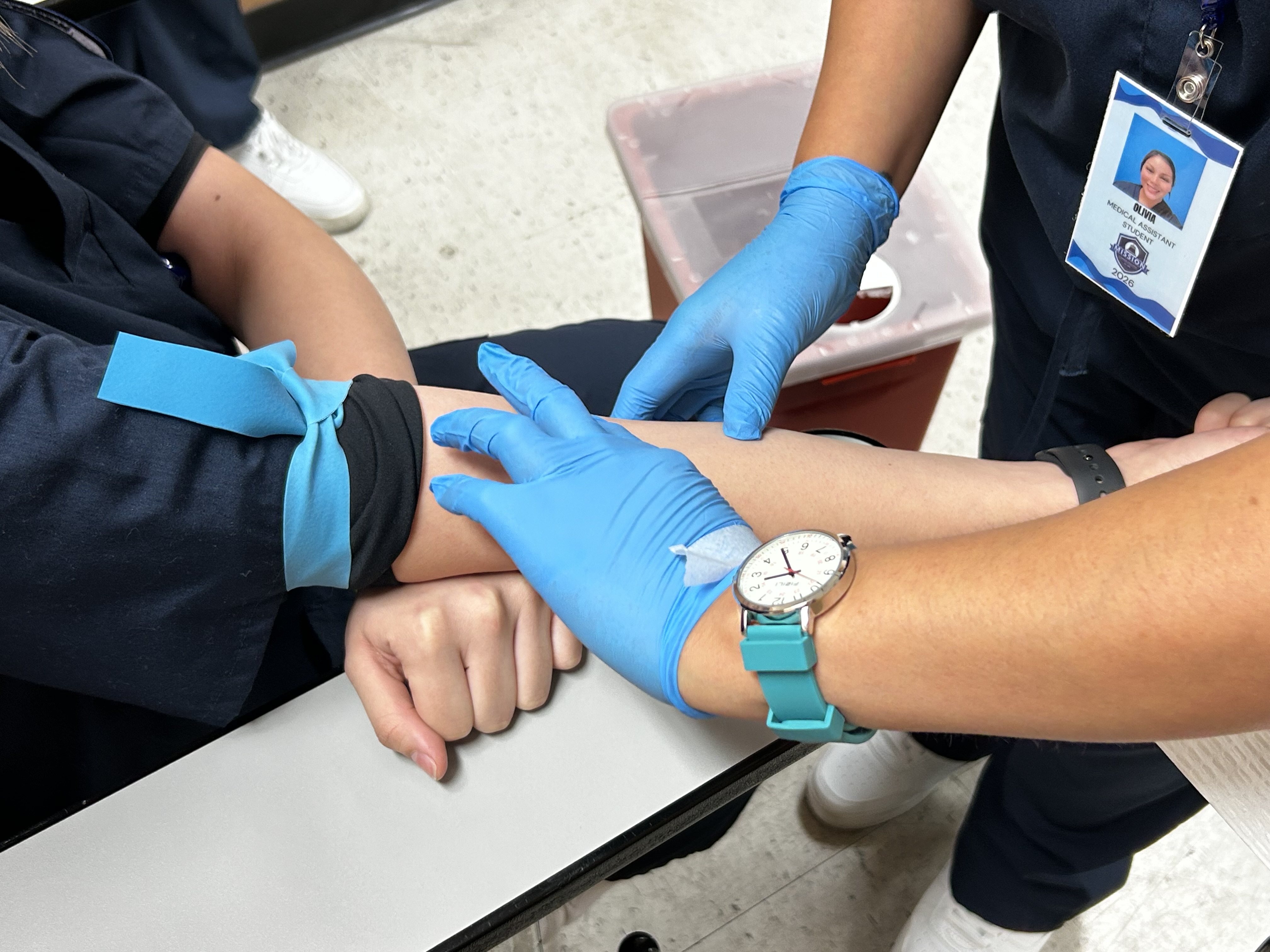
Tourniquet placement techniques
Identifying veins using training models
Practicing procedural steps without live draws
This gradual introduction allows students to build muscle memory and confidence before progressing to more advanced skill application.
Developing Confidence Through Repetition and Feedback
Phlebotomy is a skill-based profession, and the first week reinforces that learning comes through guided repetition. Instructors provide demonstrations, allow students to practice, and offer detailed feedback to help refine technique.
High-quality educational content should reflect real effort, accuracy, and skill development to ensure it achieves its purpose and provides meaningful value to learners.
This philosophy shapes the learning environment, where students are encouraged to focus on doing things correctly rather than quickly.
Students quickly discover that mistakes are part of the learning process, and support is always available.
Learning Professionalism Alongside Clinical Skills
Healthcare employers expect more than technical ability. From the first week, students begin developing professional behaviors that will carry into their careers.
This includes learning:
Effective communication with patients
Maintaining calm and confidence in clinical settings
Accurate documentation practices
Time management and reliability
Ethical responsibility in patient care
These soft skills are introduced early because they are just as important as mastering venipuncture techniques.
How Online Learning Supports Hands-On Training
Students researching Phlebotomy classes online often wonder how practical skills are developed. Online coursework delivers theory, demonstrations, and foundational knowledge, while scheduled labs provide in-person clinical experience under instructor supervision.
This blended learning model allows students to review lessons multiple times, ask questions, and arrive prepared to apply what they have learned during lab sessions.
What Students Typically Feel During the First Week
It is completely normal to feel nervous during the first few days. Many students worry about learning medical terminology, performing procedures correctly, or adjusting to a healthcare environment.
By the end of the first week, those concerns are usually replaced by confidence. Students realize the program is designed for beginners and structured to support learning step by step.
You will not be expected to master everything immediately. Instead, you will build a strong foundation that prepares you for the weeks ahead.
What You Will Have Accomplished by the End of Week One
After your first week of Phlebotomy training, you will already have achieved significant progress. Students finish the week with:
A clear understanding of the phlebotomist’s role in healthcare
Knowledge of safety protocols and infection control
Familiarity with equipment and terminology
Early hands-on practice experience
Confidence in continuing skill development
Most importantly, students begin to see themselves as part of the healthcare field.
Why the First Week Matters So Much
The first week sets the tone for your entire training experience. It establishes safe habits, professional expectations, and the foundational knowledge that ensures success during later clinical practice.
Educational programs that emphasize expertise, trust, and practical value help learners gain skills that translate directly into real-world environments. This approach ensures students graduate not only trained, but truly prepared.
Taking the First Step Toward a Healthcare Career
Enrolling in Phlebotomy classes is more than starting a course. It is beginning a pathway into healthcare where your work directly contributes to patient diagnosis and treatment.
Mission Career College’s Phlebotomy training program is designed to guide students from their first day of learning through certification preparation and into entry-level employment opportunities. With experienced instructors, structured hands-on training, and a supportive environment, students gain the skills needed to enter the workforce confidently.
Your first week is simply the beginning of that journey.
Start Your Phlebotomy Training at Mission Career College
Mission Career College offers career-focused Phlebotomy training programs that combine classroom instruction, lab practice, and real-world preparation to help students succeed in today’s healthcare environment.
If you are ready to take the first step, now is the time to learn more about upcoming classes and enrollment opportunities.
Request information today and begin building the skills for your future in healthcare.