Medical Assistant Classes: What to Expect, How to Choose a Training Program, and When Online Options Make Sense
If you’re comparing Medical Assistant classes, you’re probably balancing three things at once: you want a career that feels stable and meaningful, you want training that actually prepares you for day-one work, and you want a schedule that fits real life. Medical assisting sits at the intersection of patient care and clinical operations, which is exactly why choosing the right Medical Assistant training program matters. Health and safety topics deserve a higher standard of accuracy and trust, so this guide focuses on practical, verifiable expectations rather than hype.
At Mission Career College (MCC), the goal is straightforward: help students move from “interested” to “job-ready” with training that matches what employers expect. Whether you’re looking at in-person pathways, Medical Assistant classes online, or blended formats, the best decision is the one that aligns with your timeline, learning style, and local clinical opportunities.
What a Medical Assistant Actually Does (And Why Employers Value the Role)
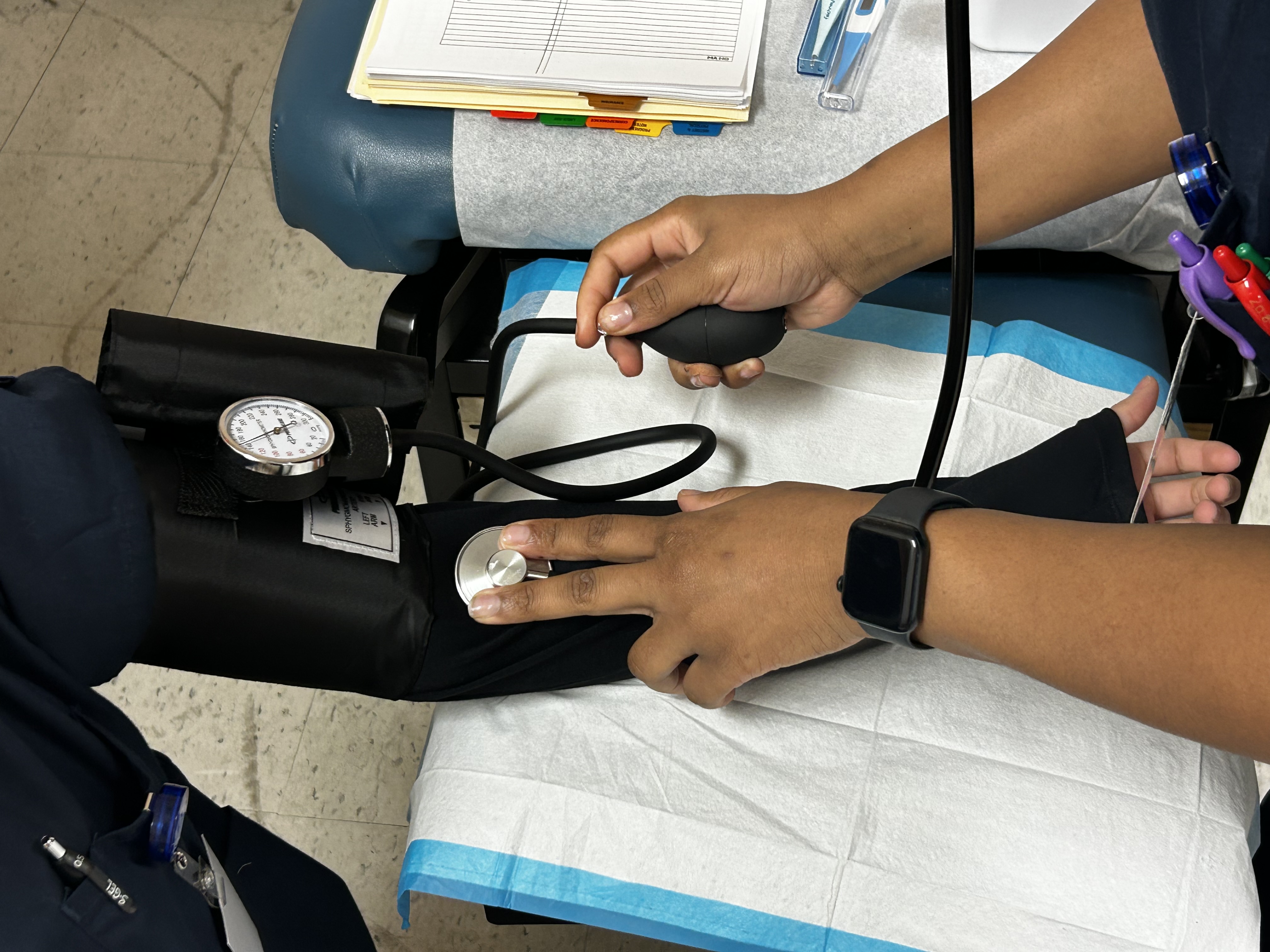
A Medical Assistant (MA) supports providers and patients by handling both clinical and administrative responsibilities, depending on the setting. In a busy clinic, that could mean preparing exam rooms, taking vital signs, documenting patient information, supporting basic procedures, and coordinating follow-up steps. On the administrative side, it can include scheduling, front-desk workflows, patient communications, and helping the clinic run smoothly.
The reason this role is consistently in demand is simple: MAs help reduce bottlenecks. When clinics run efficiently, patients are seen faster, providers can focus on medical decision-making, and the patient experience improves. If you like hands-on work but also want a role that builds professionalism and transferable skills, medical assisting is a strong option.
What You Learn in Medical Assistant Classes
Quality Medical Assistant classes are designed to build confidence in real-world routines, not just pass a test. A solid Medical Assistant training program should teach you how to think and operate in a clinical environment while maintaining patient safety, privacy, and professionalism.
You can generally expect training that covers clinical fundamentals such as infection control principles, vital signs, basic anatomy and medical terminology, patient intake workflows, documentation basics, and common clinical support tasks. On the administrative side, many programs address communication skills, scheduling systems, intake forms, and day-to-day clinic operations.
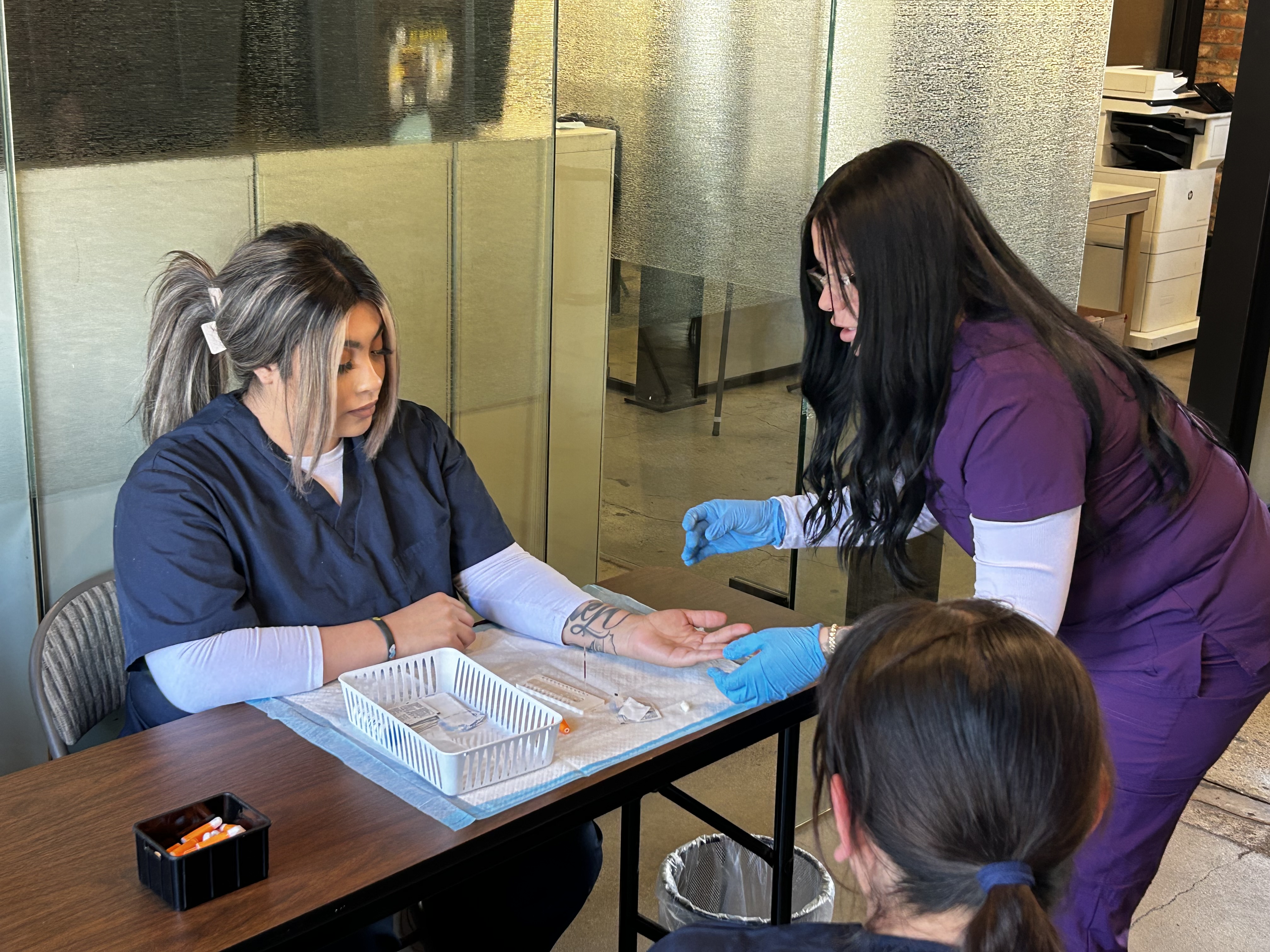
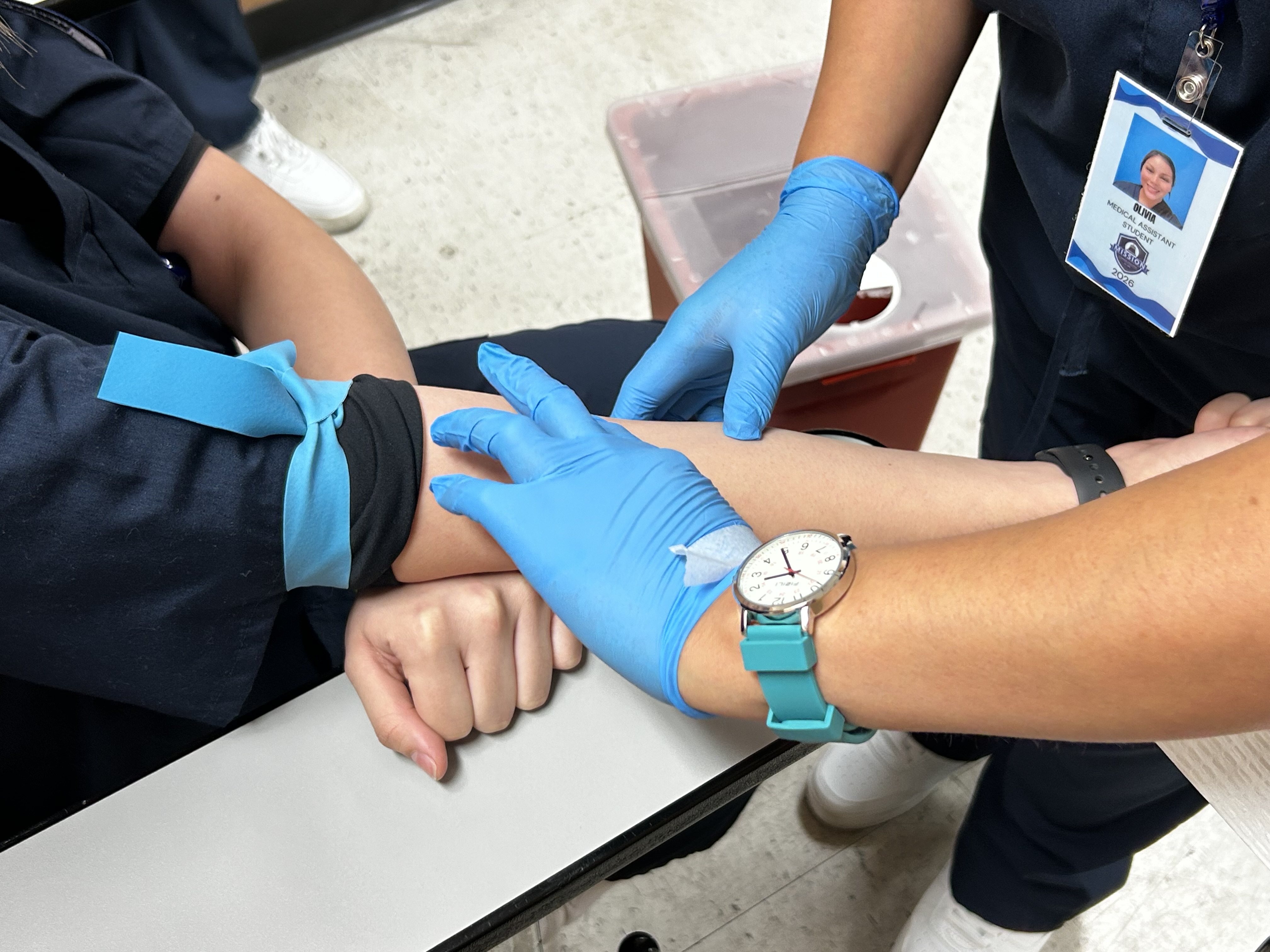
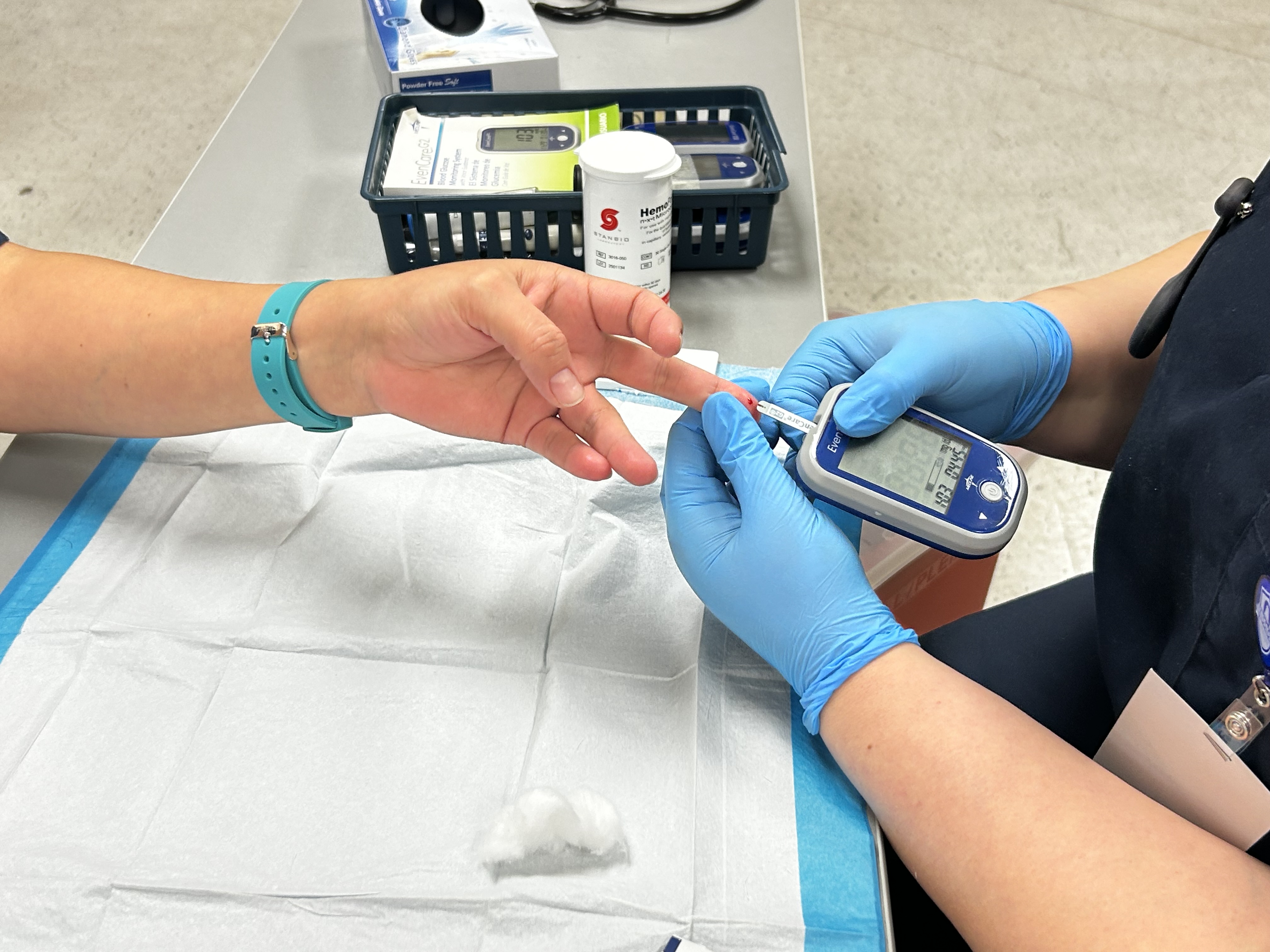
The key difference between “reading about it” and being ready for the job is repetition and coaching. Strong programs build structured practice into the training so students are not seeing skills for the first time during externship.
In-Person vs. Medical Assistant Classes Online: What’s Realistic?
A lot of students search for Medical Assistant programs online because they need flexibility. That makes sense, but you also want to be realistic about what can and cannot be learned fully online in a hands-on healthcare role.
Medical Assistant classes online can be a good fit for the knowledge-based portions of training, especially medical terminology, anatomy concepts, foundational administrative workflows, and certain compliance topics. Online learning can also help students who work full time or have childcare responsibilities keep consistent momentum.
Where in-person training becomes critical is in hands-on skill development and clinical confidence. Patient interaction, workflow timing, and the feel of a clinical environment are hard to replicate through online modules alone. That’s why many students do best in either a fully in-person program or a hybrid model where some coursework is online but labs and skills practice are completed in person.
If you’re considering Medical Assistant classes online, the smartest question to ask is: what is the plan for hands-on skills and clinical exposure? Any credible pathway should clearly explain how skills are taught, practiced, and evaluated.
How to Evaluate a Medical Assistant Training Program
Because healthcare training is a “Your Money or Your Life” topic, quality standards are higher. In plain terms, that means you should prioritize programs that are accurate, trustworthy, and designed with real student outcomes in mind.
Here’s what to look for when you compare a Medical Assistant training program.
First, look for clarity. The program should explain what you will learn, what competencies you will be expected to demonstrate, and what the timeline looks like. If a program is vague or overly salesy, that’s a red flag.
Second, look for evidence of strong training design. High-quality instruction is tied to effort, skill, and accuracy—especially for medical topics. A good program doesn’t just present information; it builds structured practice and checks for real understanding.
Third, look for support and accountability. Students do better when there’s a clear schedule, coaching, and progress tracking. The best programs treat attendance, professionalism, and consistent engagement as part of career preparation.
Finally, look at the transition into the workforce. Ask how the program supports externship or clinical exposure, and what career services exist to help you move from completion to employment readiness.
Why Hands-On Training and Externship Matter
A Medical Assistant training program should not feel like a theory course. Clinical employers want graduates who can follow workflows, communicate appropriately, and stay calm in a real clinic environment.
Externship or clinical placement is where many students connect the dots. It’s also where professional habits form: punctuality, documentation discipline, patient communication, and teamwork. If you learn best by doing, this part of training is often what turns “I think I can do this” into “I know I can do this.”
If you’re choosing between Medical Assistant programs online and an in-person option, prioritize whichever path gives you the most structured hands-on practice and the clearest bridge into real clinical experience.
Who Medical Assistant Classes Are Best For
Medical assisting can be a strong fit if you like people, prefer structured environments, and want a role where you’re active throughout the day. Many students choose this path because it’s faster than longer clinical degrees and still places you in a professional healthcare setting.
It can also be a smart step if you’re exploring longer-term healthcare goals. Medical assisting can help you build foundational clinical confidence and professional references that support future education and career moves.
If you’re nervous about starting, that’s normal. The right Medical Assistant training program is designed for beginners and builds you from fundamentals to practical application—especially when instruction emphasizes trust, accuracy, and clear evaluation standards.
A Practical Checklist for Choosing Between Programs
When you’re comparing Medical Assistant classes, focus on fit and outcomes, not marketing claims.
Start with your schedule. If you need flexibility, Medical Assistant classes online may help, but confirm how hands-on skills are taught and assessed. If you learn best with structure and real-time coaching, in-person or hybrid formats may be better.
Next, evaluate the training flow. Ask how the program moves from classroom learning into lab practice and then into clinical exposure. A credible program can explain this clearly without overpromising.
Then, consider support. Do you have access to instructors, tutoring, and clear expectations? Are you guided through professional readiness steps like interview prep or resume support? Even if you’re confident, structured support increases consistency and reduces delays.
Finally, confirm the “why.” Why does the program teach what it teaches, in the order it teaches it? Thoughtful program design is a strong signal that the institution cares about outcomes, not just enrollment.
Frequently Asked Questions About Medical Assistant Programs Online and In-Person Options
Do employers accept Medical Assistant classes online?
Employers care most about competence, professionalism, and readiness. Online coursework can be helpful for the knowledge portions, but employers still want graduates who can perform in a clinical environment. That’s why hands-on training and clinical exposure remain essential.
How long does a Medical Assistant training program take?
Program lengths vary. The best approach is to compare programs based on competencies, clinical exposure, and schedule structure rather than only total time.
What if I don’t have healthcare experience?
Most students begin with no healthcare background. Medical Assistant classes are typically designed to teach you from the ground up, provided you attend consistently, practice skills, and follow safety expectations.
Is medical assisting a good long-term career?
It can be, especially if you enjoy clinic operations and patient interaction. It can also serve as a stepping-stone into other healthcare roles, depending on your goals.
Why MCC Students Choose This Path
MCC’s focus is career preparation through structured learning and practical training. If you’re comparing Medical Assistant classes online versus in-person pathways, MCC is the type of institution that should be able to walk you through what training looks like in real terms: what you’ll learn, how you’ll practice, how your readiness is evaluated, and what support exists to help you transition into the workforce.
If you’re ready to take the next step, the best move is to request information and confirm details like schedule options, training format, and how hands-on skills are delivered. The right Medical Assistant training program should feel clear, professional, and aligned with real clinic expectations—because your training needs to be trustworthy, accurate, and built for outcomes.
Final Takeaway
Whether you’re searching for Medical Assistant classes near you, exploring a Medical Assistant training program with hands-on labs, or trying to find Medical Assistant programs online that still provide real clinical readiness, the decision comes down to one question: will this program make you competent and confident in a real healthcare setting?
Choose the option that provides clear structure, credible skills training, and a bridge into clinical experience. That’s how you protect your time, your money, and your future career in healthcare.